In cosmetics, fragrance is one of the most important things. Although fragrance does not affect the effectiveness of the product, it is very significant for the user. The scent of a product can be improved and changed with various fragrances. Natural fragrances are, of course, essential oils. I set out to find interesting and natural alternatives to essential oils. Essential oils are wonderful, natural, and therapeutic ingredients in the making of cosmetics. I am particularly interested in natural fragrance components. I want my product carry natural odour, soft and mild. As a cosmetic formulator, I want to try different options. In this article, I want to find a new and different way to add fragrance to cosmetics.

Where do natural fragrances come from?
Most plants have a scent. Sometimes the scent is very mild and unnoticeable, sometimes it is strong and covers everything.
Plants use scents to communicate. Sweet scents attract insects to pollinate the plant. Pungent, minty scents, on the other hand, act as a defence mechanism for plants. Pungent scents repel pests and thus protect the plant. This property has also been exploited in the chemical industry. Pyrethrin is a natural scent isolated from chrysanthemum flowers, which acts as a fast-acting pest control agent. Unfortunately, pyrethrin is toxic to aquatic organisms, so its use is limited.
Plant scents are not only concentrated in flowers. Scents can also be found in leaves, stems, bark, resin, roots, fruits, fruit peels and seeds. Different plants have scents in different parts of the plant. For example, a rose flower has a strong scent, but rose leaves or berries have hardy any scent. Pine bark, resin, wood and needles have a scent, but pine flowers do not have a strong scent.
How do I get plant scents into my product?
Plant scent components are usually steam distilled from other plant material. The scented components of plants are usually fat-soluble. Steam distillation separates the fragrant components from the water-soluble components. This is how essential oils are made. The fat-soluble part created during distillation is called the essential oil, and the water-soluble part is called the hydrolate.
Distillation is the most efficient way to extract the fragrant components from plant material. Steam distillation produces two fragrant products: essential oil and hydrolate. Hydrolats are a great way to replace essential oils in water-based products.
However, there are other ways to isolate scents from plants. Oil extraction, or maceration, is the most popular. For some plants, alcohol extraction or water infusion are better options.
There are also fragrant plants that you can use in certain cosmetic products as is. By grinding dried seeds or peels, you can make the product smell great without adding any fragrance. Many waxes and vegetable oils smell great naturally. Their own scent is not worth covering up.
Let’s take a closer look at the handling of scented ingredients.
Natural scented waxes and butters
Many waxes and butters are naturally fragrant. If your product has a lot of scented ingredients, you don’t necessarily need essential oils or other, additional fragrances.
Candelilla wax smells so good. It has a fresh, fruity scent, just like some perfumes. Many people use candelilla wax precisely because of its wonderful scent. The downside of candelilla wax is that it tastes pungent. So you should not mix it with lip balm.
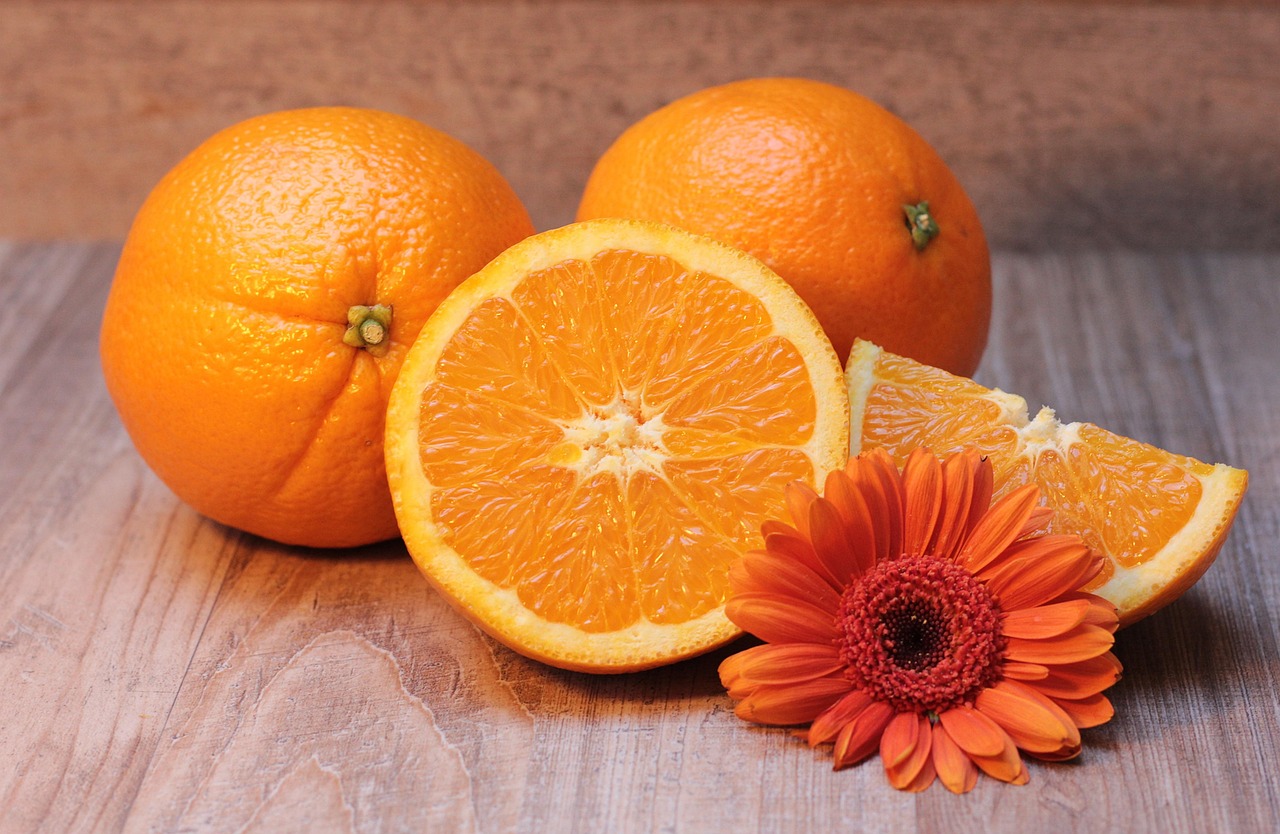
Cocoa butter smells and tastes exactly like chocolate. If your product contains a lot of cocoa butter, you don’t need other fragrances. It is also hard to cover the smell of cocoa. If you do not want a chocolate smell in your product, just use a very little of cocoa butter. The smell of cocoa is often associated with oranges and tangerines. Try using oil macerated with orange peels together with cocoa butter.
Cupuacu butter smells like tropical fruit and coconut. It is one of the best plant butters to bring fragrance to a product. You can use cupuacu butter in your product like shea butter.
Tucuma butter has a light, nutty, earthy scent. If you only use a little bit of tucuma butter in your product, it may not be enough to scent the entire product.
If you want a stronger earthy scent, add a little ucuuba butter to the product. The scent of ucuuba butter is controversial.
Ucuuba butter is very dark and aromatic. When used in small amounts, it gives a wonderful scent to the product. The dark appearance of ucuuba butter can be intimidating. There is no need to worry about it because when used in small amounts, the dark color does not come through in the product. I have used ucuuba butter in products a lot myself. I have somehow liked its earthy aroma.
Oil extracts or macerated oils
The oil acts as a solvent. With the help of oil, you can extract active ingredients from plants. At the same time, fragrant ingredients are also extracted because they are fat-soluble. Macerated oil contains the same fragrant ingredients as essential oils. However, the scent is much milder in maceration. You can use the macerated oil directly on your skin or make a water-free lotion by combining it with fragrant waxes and fragrant vegetable butter.
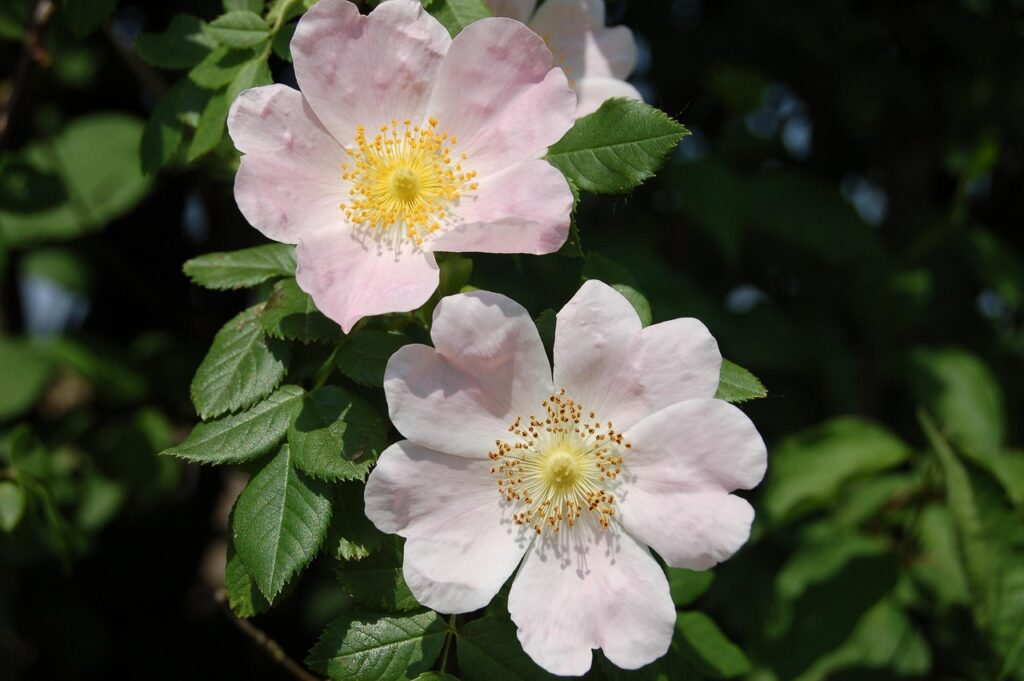
The best flowers for maceration are richly scented flowers such as dried roses and dried citrus peels. Other suitable fragrant plants are spicy herbs such as mint, rosemary, lavender and fennel seeds.
Do you like the smell of vanilla? Infuse a used vanilla bean in 65-degree (Celsius) oil for about an hour. You will get a wonderfully fragrant, all-natural vanilla oil.
The sky is the limit when macerating. Use your imagination. Find new scents and try extracting them into oil.
In case you have never macerated oils before, you can read my old article about oil extractions.
You can use any oil that suits your skin for maceration. Macerated oils will be preserved for about 4–6 months, depending on the oil.
Hydrolats
Hydrolats are created at the same time as essential oils are made. A true hydrolate is always made by distillation. Hydrolats contain the same fragrances as essential oils. They are just much milder.
Essential oils have specific limits for use on the skin. Instead, you can use hydrolats in any amount you want and apply them directly to the skin. Hydrolats are often used like a toner. They refresh the skin but have hardly any moisturizing effect.
Hydrolats are popular in cosmetics precisely because of their scent. I often use hydrolat as the only scent in the entire product. The scent of the product is then subdued and pleasant. When using hydrolats, you cannot add too much scent, as is often the case with essential oils. You can perfectly use just hydrolate as a water phase of the product.
Powders made from fragrant plants
Grinding plants for cosmetics was at one point my favourite hobby. I made powder from different seeds and used the powder in cosmetics for different purposes. Most cosmetic powders are unscented. They care for or cleanse the skin.
Dried, fragrant plant powders are also suitable for cosmetics. However, I would not put fragrant powders such as rose powder or orange-peel powder in products that are left on the skin at all, as they may cause allergies when used in large quantities.
A good way to use fragrant powders is in body scrubs. For example, powder made from dried orange peels or rose petals is very suitable for scenting many bath products.
In the summer, fragrant herbs such as meadowsweet, mint and birch leaves can be dried together with sea salt. Grind the dried plant parts together with salt when all plant parts are completely dried and use it in a foot bath, for example.
Alcohol extracts with natural scent
If you want to scent water-based products such as facial toners, forget all oils. Combining oils and water is not quite simple. In addition, essential oils are also not suitable for products containing only liquids unless you use cosmetic solvents in the product.
For water-based products, you can try alcohol extracts. Alcohol is not suitable for everyone’s skin. The best option for scenting facial toners is, of course, hydrolate. Use alcohol extracts only in limited cases when there is no other option.
Alcohol extracts are best suited for plants such as vanilla and fragrant roots and wood.
Fragrant ingredients are exciting to experiment with
The next time you make your own cosmetics, think about how you can get scents in your product without essential oils. Making cosmetics is a fun and exciting adventure where you can try out ideas that may seem impossible. Smell different plant parts and think about how you can isolate the scent from them for your own product.
Product scenting is one area that will surely interest you too. If you make the fragrances you are using in the product by yourself, you can be sure that the product is completely unique.